 OpenAdapt
Eligibility and coverage look-ups, confirmed against the record
OpenAdapt looks up a member's coverage the way your staff do, then confirms the answer with a separate read of the record. On openIMIS, an open-source insurance system, it confirmed 3 of 3 active policies and stopped on 3 of 3 expired ones, with no active policy stopped by mistake. Look-ups save nothing, so they need no approval.
Updated 2026-10-18
Today
Staff open the policy system or portal, find the member, read the policy, product and dates, and note whether the service is covered. On the provider side in the US, an eligibility check takes about 8 minutes by portal and 16 by phone (CAQH Index 2024). We found no insurer-side time study.
With OpenAdapt
It does the look-up from a demonstration, then reads the policy's status and dates another way, such as a read-only database query or an eligibility file, and compares. When the two disagree, it stops and leaves the case for a person.
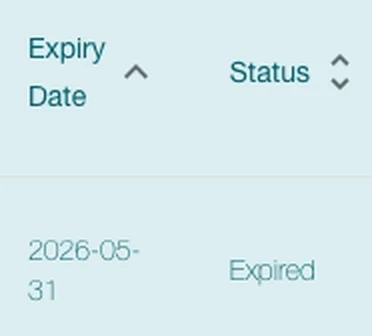
Why the second read matters: in the expired-policy runs, openIMIS showed a thumbs-up on the service line. The policy's own dates said it had expired, so OpenAdapt stopped instead of reporting it covered.
What's been tested
| Case | Result | Check |
|---|---|---|
| Active policy | 3 of 3 confirmed | Read-only database query of the policy, product and dates |
| Expired policy | 3 of 3 stopped | Same query |
| Active policy stopped by mistake | 0 |
Scope
Each look-up checks one member's coverage and reports the answer. Writing the answer into another system is its own program.
Is it a fit?
- There's a second source for the same answer: a read-only database role, an eligibility file or an API. Without one, a person reviews each answer.
- Staff look up the same fields every time.
- The portal's terms allow a program to use your staff's session. We read them with you.
Questions
Is this for insurers or for providers?
Both look coverage up. Insurers and TPAs look in their own policy system, where a second read is usually possible. Clinics look in payer portals; see Healthcare and dental eligibility.
Does a look-up need approval?
No. It saves nothing. A stop still goes to a person.
Related: claims intake · how the record check works · OpenAdapt vs UiPath
Sources
- OpenAdapt on openIMIS 25.10 (open-source insurance system, not a US payer portal), July 2026, synthetic members: 3 of 3 active policies confirmed, 3 of 3 expired policies stopped, 0 active policies stopped by mistake. Checked by a read-only database query of the policy, product and dates.
- CAQH Index 2024 (data year 2023), US medical: an eligibility check takes 8 minutes by portal and 16 by phone; a claim-status check takes 10 by portal and 25 by phone; a manual claim submission takes 12 minutes, an electronic one 5. Provider-side figures.
See it on your process
Bring one task your team types every day. We'll tell you whether it fits, and what a test on your own system would cover.